Sunday, March 31, 2013

Kenyan Comfort (Irio, Beef Stew and Tropical Bread Pudding)


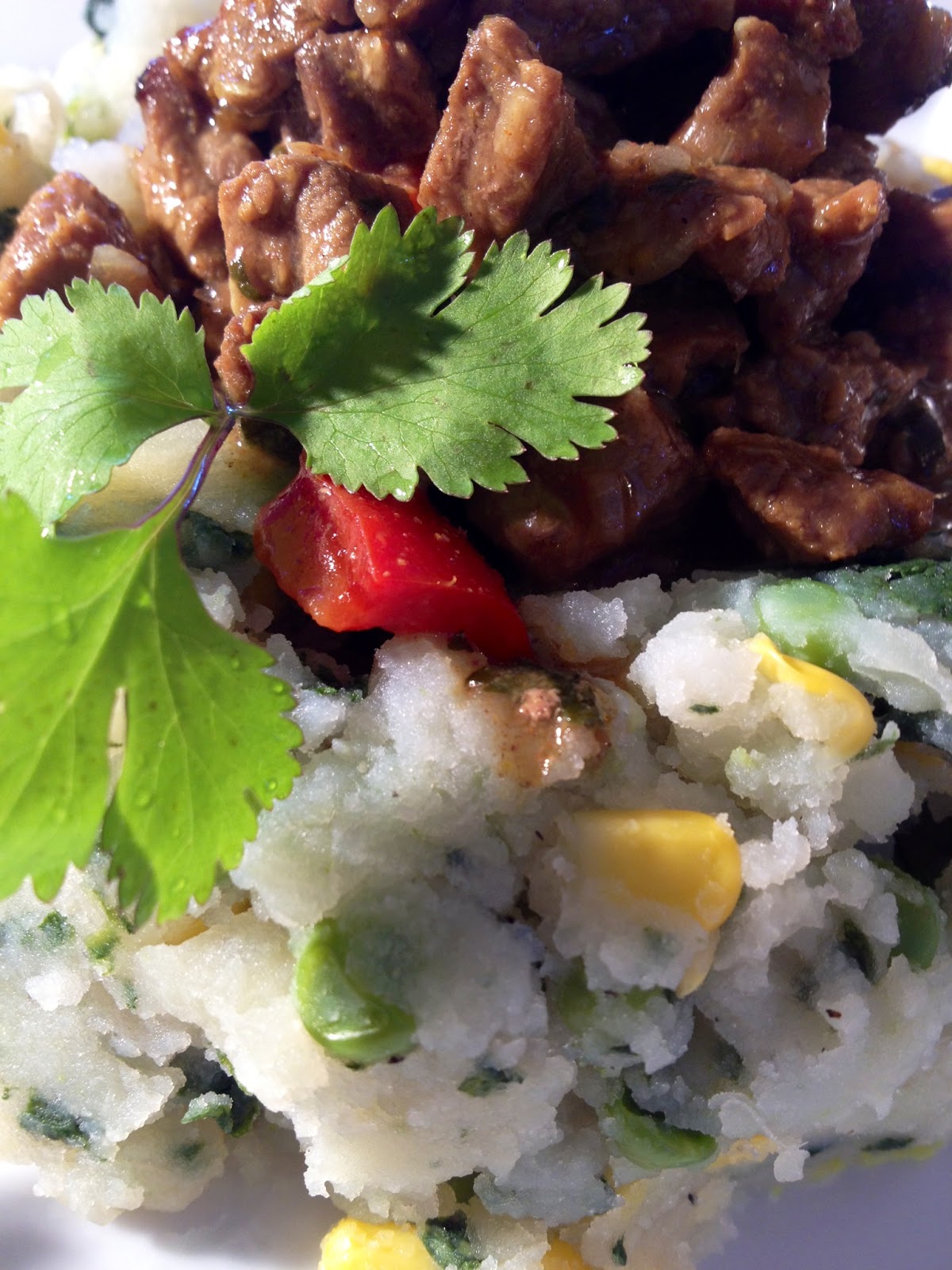
Irio is a Kenyan dish comprised of potatoes, green peas, corn and pumpkin leaves or spinach. This dish is a specialty of the Kikuyu people of Central Kenya. The name of this dish is the Kikuyu word for food. Irio has such a central place in Kikuyu cuisine, that it defines the word food. Irio is similar to Southern Africa's Moroko . This recipe was taught to me by my best friend's mom (Mama Noni) and I will share it with you today.


SERVING SIZE: This recipe feeds 6-8 people sufficiently.

SPECIAL EQUIPMENT:
-Vegetable Peeler.
-Sharp Knife.
-Cutting board.
-Masher or a food mill.
-Large pan with lid.
-Medium pan with lid.
-Large mixing bowl.
                                           
INGREDIENTS FOR THE IRIO:
-6 large potatoes, peeled and washed.
-1 cup green peas (you can shell them or buy the bagged kind in the frozen vegetable section of the grocery store or the canned kind).
-1 cup sweet corn (I used 4 ears of fresh sweet corn, removed from the cob).
-1 tablespoon unsalted butter.
-11/2 tablespoon salt.
-1 teaspoon black pepper.
-1-2 cups spinach or pumpkin leaves (if you can find it) washed and finely chopped.


INSTRUCTIONS FOR COOKING THE IRIO:
-In the medium pot, on medium heat, boil the peas and corn until tender (about 15-20 minutes). Cover the pot with a lid while cooking.
-In the large pot, on medium heat, cover the potatoes completely with water. Add the salt and pepper and bring to a boil. Cook until the potatoes are fork-tender, but are not falling apart (about 15-25 mins).
-Drain most of the water out of the potatoes, but leave the potatoes in the pot. Add the chopped spinach to the pot with the potatoes and the little water at the bottom of the pot. Cover and let simmer on medium-low heat for 10-15 minutes.
-Once the spinach is cooked, transfer the potatoes, spinach, peas and corn to the large mixing bowl. Use the potato masher to mash the mixture to your desired consistency. I like mine with a little more texture so I do not mash it too fine. 
-Let the irio cool down uncovered for a few minutes before serving. To serve, plate the irio on a plate in a mound-like shape. Use the back of a ladle or serving spoon to create a well in the middle of the mound. Spoon your beef stew into the well and enjoy.

SPECIAL EQUIPMENT FOR THE BEEF STEW:
-Cutting board.
-Knife.
-Medium saute pan with a lid.
-Colander.

SERVING SIZE: Feeds 6-8 sufficiently.

INGREDIENTS FOR COOKING THE BEEF STEW:
-1 1/2 lbs finely cubed boneless beef ( I used beef for stewing).
-2-3 tablespoons of cooking oil (I use canola).
-1 medium onion, finely diced.
-1 tablespoon ginger/garlic paste.
-1/2 red bell pepper (capsicum), finely cubed.
-1/2 green bell pepper (capsicum), finely cubed.
-1/2 a bunch of finely chopped cilantro (coriander). I used about 1/2 cup.
-1 teaspoon curry powder.
-1 tablespoon dhana jeera (coriander/cumin mix). Alternatively, you can combine 1/2 teaspoon coriander powder with 1/2 teaspoon cumin powder.
-1/2 teaspoon mild red chili powder.
-1 teaspoon cinnamon powder.
-1 teaspoon salt.
-1/4 teaspoon  garam masala (you can find this in the International aisle in the grocery store, at an Indian grocery store or online)
-1 tablespoons of cornstarch (cornflour), whisked well with 2 tablespoons of tap water to form a paste (for thickening the stew). Make sure there are no lumps in this paste. Add it to the stew once the stew has come to a quick boil.

INSTRUCTIONS FOR COOKING THE STEW:
-In the covered saucepan, on medium heat, bring the cubed beef, and two cups of water to a boil. Cook for 10-15 minutes until the meat is no longer pink. Drain over a colander and reserve the liquid in a separate bowl.
-Return the meat to the saucepan, add the 2 tablespoons of oil.
-Add in the diced onions to the meat and cook, covered until the onions are transparent. Make sure to stir so that the onions do not burn.
-Add the ginger/garlic paste and stir.
-Add the red and green peppers and stir.
-Add the spices and stir each time you add a spice.
-Add the salt.
-Add the chopped cilantro and stir well.
-Add the reserved beef stew and stir.
-Taste for salt and adjust according to taste.
-If you'd like your sauce thicker, add the cornstarch paste once the sauce comes to a boil. Reduce heat to medium-low and let it simmer, covered for 20-25 mins. Check regularly to make sure your sauce does not all evaporate. Your stew is now ready to serve. Today, we will serve this dish with irio. However, this is also an excellent accompaniment to ugali, rice, spaghetti or chapati.

SPECIAL EQUIPMENT FOR TROPICAL BREAD PUDDING:
-3 mixing bowls.
-Whisk.
-A buttered baking dish (I used a 9x13 inch dish).
-Aluminium foil.


SERVING SIZE: Can feed 8 sufficiently.

INGREDIENTS FOR TROPICAL BREAD PUDDING:
-1 loaf of stale French bread, cubed. I bought mine three days prior to using it and let it sit on the counter with the package opened on one end to allow it to get crusty. You want it stale, but not moldy. Challah or brioche bread can also work well with this recipe.
-1 large can of tropical fruit cocktail, drained (leave a little juice in the can to add some flavor to the pudding).
-2 cups granulated sugar.
-1/2 teaspoon cardamom powder.
-1/4 teaspoon salt.
-2 cups heavy whipping cream.
-1 cup heavy coconut milk.
-1 cup evaporated milk.
-1/2 cup Amarula cream liqueur.
-5-6 large eggs, lightly beaten in one of the mixing bowls (I used 6 eggs).
-1 tablespoon pure vanilla extract.


INSTRUCTIONS FOR PREPARING THE TROPICAL BREAD PUDDING:
-In the prepared baking dish, combine the cubed bread and the fruit cocktail. make sure the fruits are evenly distributed in the dish.
-In one of the mixing bowls, combine the dry ingredients (sugar, cardamom and salt). Set aside.
-In a separate bowl, combine the wet ingredients (whipping cream, Amarula, evaporated milk & coconut milk). Whisk well.
-In the third mixing bowl, combine the eggs and vanilla extract and whisk well to break down the egg yolks.
-Pour the egg mixture into the bowl with the Amarula mixture. Whisk well to combine.
-Now add the dry ingredients (sugar, cardamom and salt) to the bowl with the wet ingredients. Whisk well to combine. You now have your custard.
-Pour the custard over the bread/fruit mixture in the baking dish. Make sure that the liquid covers every part of the dish. Use a spatula to press down the bread to ensure that the custard is well absorbed.
-Cover the baking dosh with aluminium foil and refrigerate for 45mins-1 hour. This will give the bread enough time to absorb the custard before you bake it.

INSTRUCTIONS FOR BAKING THE BREAD PUDDING:
-Preheat your oven to 325 degrees Fahrenheit.
-In the middle rack of your oven, transfer your uncooked bread pudding from the fridge, into the oven.
-Leave the pudding covered and let it bake for 45 minutes covered. 
-After 45 minutes, uncover the bread pudding and return it to the oven for another 15 minutes. Once the bread pudding does not look runny in the center and the sides have pulled away from the baking dish, your bread pudding is done. Let it cool for around 10 minutes before serving as it will be very hot. 


As it cools, prepare the Amarula cream sauce.

INGREDIENTS FOR THE AMARULA CREAM SAUCE:
-1 can of table cream (is usually found in the baking aisle next to the condensed and evaporated milk. They sometimes put them in the International aisle (in the Hispanic food section). 
-2 tablespoons of Amarula cream liqueur.
-1 1/2 tablespoons of granulated sugar.


INSTRUCTIONS FOR MAKING THE AMARULA CREAM SAUCE:
-In a small saucepan, combine the ingredients above and bring to a boil on medium heat. 
-As soon as it starts bubbling, remove from the heat. Your cream sauce is now ready to adorn your bread pudding :)
You might want to check with your local laws as this kind of deliciousness almost seems like a crime. Enjoy!                                                 


Friday, March 15, 2013

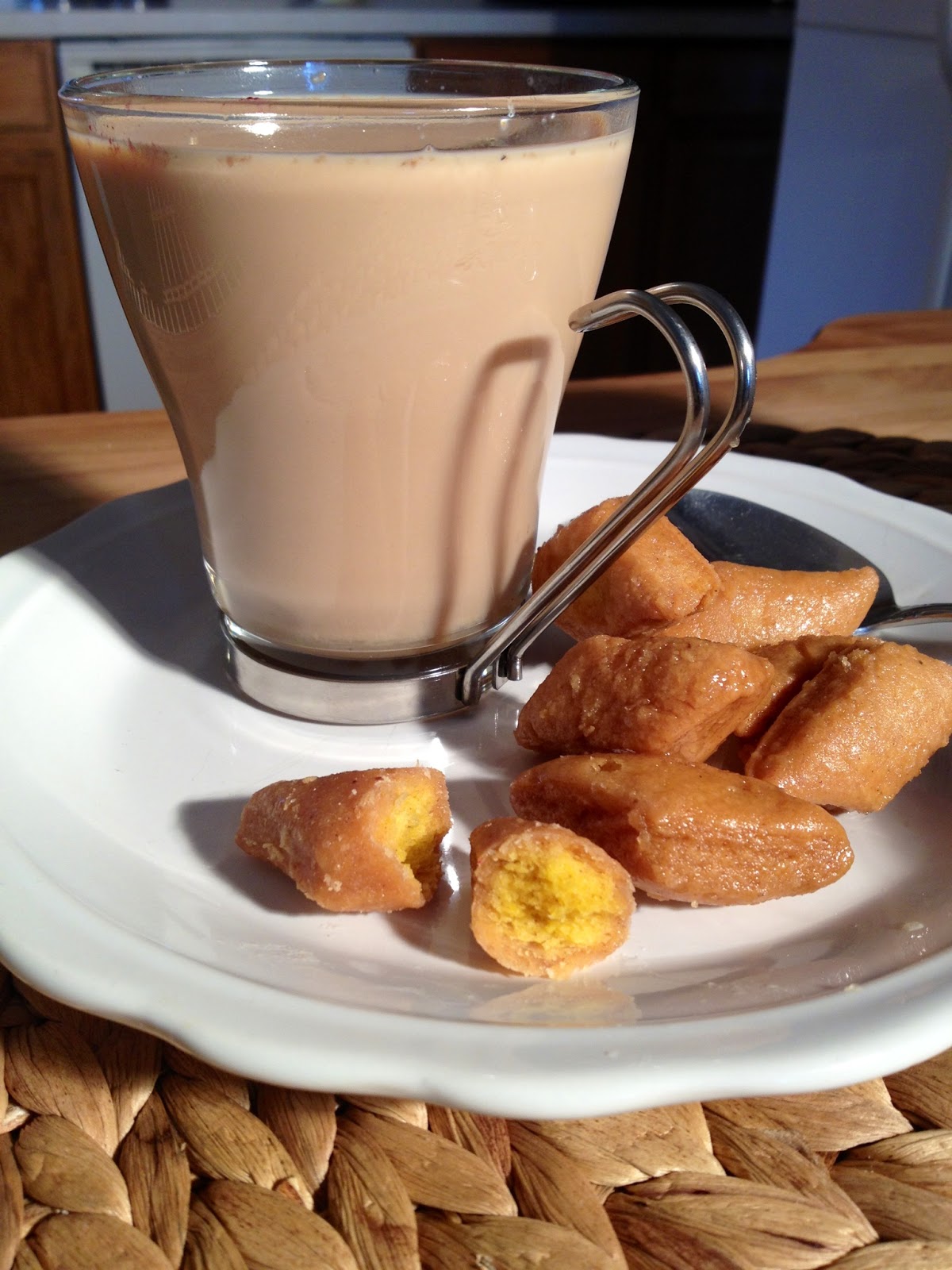
Visheti (Pumpkin flavored) and Kenyan Masala Chai (Spiced, sweetened, milk tea)


They say that diamonds are a girl's best friend. As much as I'm not too certain about that, what I am certain of is that these diamonds I'm about to present to you are sure to please any girl, any day. I'd like to introduce you to "visheti". These diamond-shaped Swahili cookies might not have the four C's that are required to rate them as the perfect diamond (cut, clarity, color & carat weight), but they make up for it in taste. These treats are crunchy and crumble in your mouth and are not cloyingly sweet. They are a cross between a doughnut and a cookie as far as the consistency goes. I dare you to stop at one (>insert maniacal laugh here<). They're so good in fact, that in order to keep from overindulging, I share half the batch with friends and neighbors whenever I make them. They're easy to make, a convenient snack to have at hand and they can keep for a week if properly stored.


As a child growing up in Kenya, my Mom always had a jar of these hidden somewhere in the house. She would whip out the jar for a quick accompaniment to tea whenever we had unexpected guests, or she would just give them to us as treats if we had been really good :). These snacks are quite popular along the Kenyan coast, among the Swahili people. My Mom learnt the recipe from our long time family friend, Mama Asha. I added a twist to the original recipe by adding some pumpkin to the dough just for extra flavor and visual interest. I will also share with you our family recipe for Masala Chai, which is basically tea cooked with milk and spices, and sweetened with some sugar. Here's what you'll need:

SERVING SIZE FOR THE VISHETI: This recipe will make enough visheti to fill a 4 quart Pyrex bowl (3.8 L bowl). See pic below.


SPECIAL EQUIPMENT FOR THE VISHETI:
-"Wok" or any other deep frying pan.
-Rolling pin.
-Pizza cutter or sharp knife.
-Sifter.
-Strainer (to help remove the visheti from the frying pan).
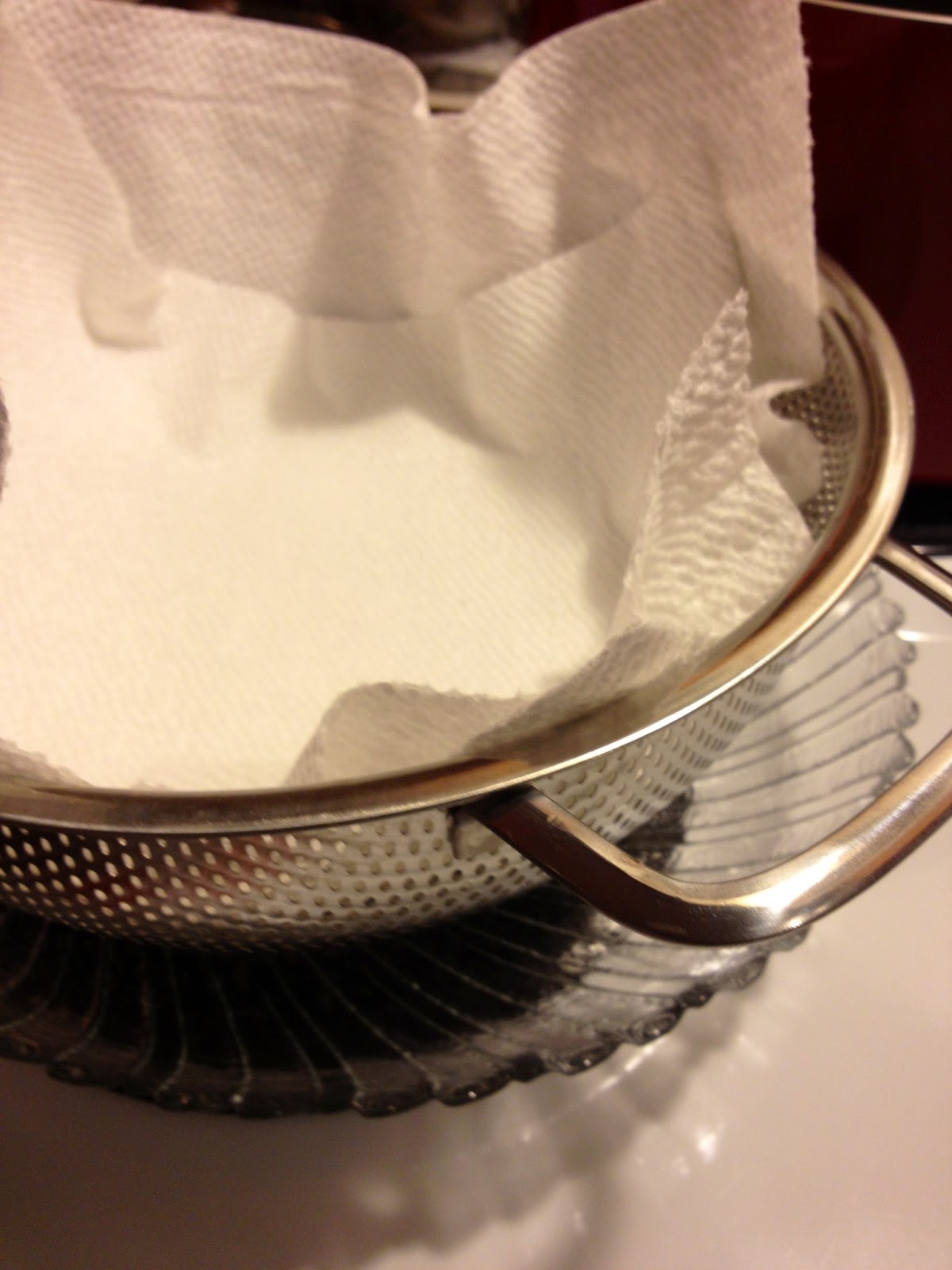
-Bowl lined with paper towels (to drain the cooked visheti).
-Large mixing bowl.
-Baking sheet.
-Cling/Plastic foil.
-Large pot with lid (for sugar syrup/shira).


INGREDIENTS FOR THE VISHETI:
-6 cups all-purpose flour, sifted.
-1 teaspoon baking powder (not baking soda!)
-1/4 teaspoon cardamom (this can be found online or at any Indian grocery store).
-1/4 teaspoon salt.
-1/2 teaspoon ginger powder.
-1/2 teaspoon cinnamon.
-1/4 teaspoon nutmeg (optional).
-1/4 teaspoon allspice.
-4 tablespoons pure pumpkin puree (not the pumpkin pie filling).
-3 sticks of unsalted, melted butter (still warm).
-1 1/3 cups water.
-3 cups vegetable oil for frying the visheti (I used Canola oil).


INGREDIENTS FOR THE SHIRA (SUGAR SYRUP):
-2 cups of granulated sugar.
-1 cup of water.
-1 teaspoon rose water (can be purchased online or at any Arabic or Indian grocery store).


INSTRUCTIONS FOR MAKING THE SHIRA (SUGAR SYRUP):
-In the large pot, pour in the sugar, water and rosewater. Let it come to a boil. DO NOT STIR or the syrup will crystallize. Lift the pot by the handles and twirl around to combine the sugar and water. The syrup is ready when it feels sticky when you put a drop of it between your thumb and finger. Turn the heat down to warm and cover the pot.


INSTRUCTIONS FOR PREPARING THE DOUGH:
-In the mixing bowl, combine the sifted flour and all the dry ingredients (salt, baking powder, cardamom, ginger, cinnamon, nutmeg and allspice).
-Add the warm oil to the flour mixture and use your hand to knead the butter into the flour.
-Add the pumpkin puree to the other ingredients in the bowl and mix well by kneading.
-Slowly add the water into the bowl and knead well until the dough us soft, but not sticky. You should continue kneading the dough for at least 15 minutes. Once there is no flour at the bottom and sides of the dough and the dough is soft but not sticky, form the dough into a ball. Place the ball of dough in the center of some plastic foil and wrap it well. Sit the wrapped dough in a container and let it rest for 25-30mins (this step is essential to attaining perfect visheti, do not skip it!)                                               
                                                 
***AT THIS POINT, HEAT YOUR OIL IN THE FRYING PAN ON MEDIUM HEAT***

SHAPING YOUR VISHETI:
-After the resting period, divide your ball of dough into two equal parts, re-wrap one part in the cling foil and set aside.
-Lightly flour your clean work surface and your rolling pin. Roll out one ball of dough into a circle of about 15 inches across and 1/4 inch thickness.


-Use your pizza cutter to cut the dough circle into strips as shown in the picture (the picture also shows you how thick the circle should be).


-Use the pizza cutter and make further cuts on the strips diagonally. The result should be small pieces of dough shaped like diamonds. these are the uncooked vishetis.


-Place the uncooked visheti on a baking sheet and continue cutting up the dough until there is no more dough left.

COOKING THE VISHETI:
**To test your oil to see if it is perfect for frying, drop a small  piece of dough into the oil. If the dough sits at the bottom of the frying pan for at least 10 seconds before rising up, then the oil is perfect. If the dough rises up from the bottom immediately you put it into the oil, it means your oil is too hot. That will make the outside of your visheti cook, but the inside will still be doughy :-/. If your piece of dough just sits at the bottom of the pan for more than 10 seconds before rising, then the oil is not hot enough. In which case your visheti will just be absorbing oil and will end up being extremely greasy...eew!***
-Now that you know your oil is ready, carefully drop three handfuls of visheti into the oil (be careful not to crowd the frying pan).Use your strainer to separate the visheti in the pan, and to stir them around so that they cook evenly. 


-Once your visheti have attained the light golden brown color showed in the picture below, use your strainer to transfer them to the waiting bowl that's covered in paper towel. This will help absorb any excess oil from the visheti.


COATING THE VISHETI:
-Once you're done cooking all your visheti, carefully place them in the pot containing the shira (syrup). Using a wooden spoon, toss them around in the syrup to make sure that they are all well coated. Cover the pot and hold the lid down on the pot using your thumbs and shake the pot well to further toss the visheti. Turn the heat up to medium for 5 minutes, then turn off the heat.
-Transfer the coated visheti to a baking sheet, try and spread them on the baking sheet to form one layer. Let them cool down.

                                                      
As they cool down, the sugar syrup should crystallize on the visheti, turning white. This will take a few hours. You can eat the visheti the same day, but they taste even better after the sugar has crystallized. 


SERVING SIZE FOR THE MASALA CHAI : This recipe yields 4 medium size cups of tea.

INGREDIENTS FOR THE MASALA CHAI SPICE & HOW TO MAKE IT:
-1 teaspoon ginger powder.
-5 whole cloves.
-5 green cardamom pods.
-4 whole peppercorns.
-1/4 teaspoon of freshly grated nutmeg.
-1 stick of cinnamon, broken into pieces.
-In a small frying pan, on medium heat, dry roast the whole spices (cinnamon, cloves, cardamom, peppercorns). Once you start smelling the aroma of the spices, remove from the stove and set aside. Let the spices cool down.
-Once the spices are cool, you can use a coffee/ spice grinder to turn the whole spices into a fine powder. If you do not have a spice grinder, use a mortar and pestle to grind the spices into a fine powder.
-Transfer the freshly ground spices into a bowl. Grate the nutmeg into the fresh spices. Add the ginger powder and mix the spices well. Transfer to a container with a lid and cover tightly. This can keep for years. Use as needed.


COOKING THE MASALA CHAI:
-In a medium-sized pot, bring 2 cups of whole milk and 2 cups of water to a boil (alternatively, you can use 3 cups of 2% milk and 1 cup of water).
-Add 1 1/2 tablespoons of the chai masala spice to the pot. Let it come to a boil and turn off the heat.
-Add 1 1/2 tablespoons of the tea leaves to the pot, cover the pot and let the tea steep for at least 15 minutes. I do not like my tea too strong, that is why I do not add too much tea leaves. If you like your tea stronger, let the tea steep for longer. If you  cannot find loose black tea leaves, use 3 teabags containing black tea.
-Using a strainer that is set over a big bowl or kettle, pour the tea through the strainer into the waiting bowl. This will ensure that your final product does not have loose tea leaves.


-Pour into the serving cups and let each individual add as much sugar to the tea as they please. I do not add the sugar directly into the brewing tea as everyone uses different amounts of sugar in their tea. Enjoy while still hot. I served mine up with the visheti. This goes well with any of the Kenyan doughnuts whose recipes I have previously posted (mahamri, maandazi etc.).